
Blogs


When Jesus said, "and not to leave the other undone," it is clear that He is not arguing against doing what is right. God's Word stresses holiness in our actions. The Pharisees' error that caused Jesus' rebuke was that they believed their actions could produce a right relationship with God. But a proper relationship with God can only come by humbling ourselves and putting faith in a Savior, who is Jesus. God cleanses our hearts by grace through faith (Eph. 2:8) and then we have our fruit unto holiness (Rom. 6:22). Holiness is a fruit, not a root, of salvation.
In a similar instance found in Matthew 23:26, Jesus told the Pharisees, "Thou blind Pharisee, cleanse first...
A sure sign of the error of legalism is misplaced priorities, as we see here with these Pharisees. It is not recorded in Scripture that the Pharisees marveled at the wonderful works of Jesus. They were too busy looking for something to criticize (Mark 3:2). But they marveled at Jesus not washing His hands. This is a classic example of straining out a gnat and swallowing a camel (Mt. 23:24).
Those who seek to earn righteousness through keeping the Law are consumed with "doing," while those who receive righteousness by faith are simply confessing what has already been done. This is a simple and yet profound difference. If we are still "doing" acts of holiness to get God to move in our lives, then we are still operating under a "Law" mentality that is not faith (Gal....
DOES GOD MARVEL AT YOUR FAITH?
THE DICTIONARY DEFINES "MARVEL" AS "To become filled with wonder or astonishment." DID YOU EVER THINK THAT JESUS COULD BECOME FILLED WITH WONDER OR ASTONISHMENT? WELL, HE WAS. IT SAYS HE MARVELED AT THE CENTURION'S FAITH. THIS MUST HAVE BEEN A REAL JOY FOR JESUS WHEN HE HEARD WHAT THE CENTURION SAID (MATTHEW 8:8-10 The centurion answered and said, Lord, I am not worthy that thou shouldest come under my roof: but speak the word only,...
The Holy Spirit is a gift (Acts 2:38). You cannot be good enough to earn the gift of the Holy Spirit, but you do have to ask. This is speaking of the baptism of the Holy Ghost, which is subsequent to the born-again experience.
The Holy Spirit resides in our spirits, and once He comes, He doesn't leave (John 14:16). There is an initial filling when the Holy Ghost first comes. However, His control and influence over our souls and body does fluctuate proportionally to how well we have our minds renewed to His will (Rom. 12:2).
In that sense, we can be more full of the Holy Ghost than at other times, although in our spirits the presence and power of the Holy Spirit does not come and go. Therefore, even after we receive the baptism of the...


The most loving Father in the world cannot compare to our heavenly Father and the love He has for us. And yet, many times, we find it easier to believe in the willingness of a father or mother or mate to help us than in the willingness of God to use His power on our behalf. Relatively few people really doubt God's ability, but rather, it is our doubt of His willingness to use His ability on our behalf that causes most people to do without. Jesus is assuring us that God's love, and His willingness to demonstrate that love, is far greater than we can ever experience in any human relationship.
The Lord didn't just save us out of pity or a sense of obligation as our Creator. He saved us because He loved us (John 3:16). It was the "good pleasure of his will" for...
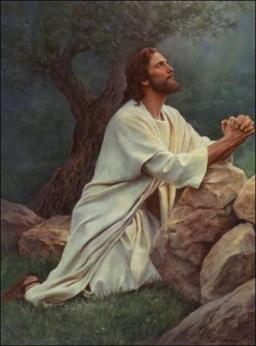
When you consider that Jesus was the greatest miracle worker who ever walked the earth and the greatest preacher who ever lived, it is amazing that His disciples asked Him to teach them to pray. Why didn't they ask Him to teach them how to work these miracles or how to preach and amaze the people with their doctrine?
It's because Jesus' prayer life was even more powerful than His miracles or His doctrine. Indeed, it was His union with the Father that gave Him His power to work miracles and His authority to speak as no man had ever spoken before. Jesus said repeatedly that it was His Father who was doing the miracles through Him and that His doctrine was not His own but the Father's.
The same holds true today. Jesus...